
Table of Contents
- First, Are You Truly Stuck?
- 11 Reasons the Scale Is Stuck
- The 7-Day Weight-Loss Reality Check
- What Not to Do When the Scale Is Stuck
- A Simple Example Day Using Indian Foods
- The Bottom Line
- Sources and Further Reading
You have reduced your portions. You are saying no to desserts more often. Perhaps you have even started walking or exercising. Yet every morning, the number on the scale looks almost the same.
It is frustrating. It can make you wonder whether your body is resisting weight loss or whether all your effort is pointless.
The truth is usually less dramatic and much more fixable. Weight does not move in a perfectly straight line. Water, digestion, hormones, sleep, stress, medicines, daily movement and small food choices can temporarily hide fat loss or reduce the calorie gap you thought you had created.
This guide will help you identify what may be keeping your weight stuck, without starvation, guilt or another unsustainable diet.
Important: This article provides general education for adults and is not a diagnosis or a personalised diet prescription. Speak with a qualified healthcare professional before making major dietary or exercise changes if you are pregnant, breastfeeding, under 18, living with a medical condition, taking regular medicines or have a history of an eating disorder.
First, Are You Truly Stuck?
One unchanged weigh-in does not mean your plan has failed.
Body weight can shift from day to day because of salt intake, carbohydrate intake, constipation, menstrual-cycle changes, a hard workout, travel, sleep and the amount of food or fluid still in your digestive system. These changes are mainly water and food weight, not sudden fat gain.
Instead of judging your progress from a single morning, weigh under similar conditions and look at your weekly average. Also track your waist measurement, how your clothes fit, energy, strength and consistency. Sometimes the body is changing even when the scale is temporarily quiet.
11 Reasons the Scale Is Stuck
1. Small Extras Are Cancelling the Deficit
You may be eating smaller meals while still taking in more energy than you realise.
A spoonful of oil added while cooking, sugar in several cups of tea, biscuits at work, a handful of namkeen, creamy coffee, weekend drinks, tasting while cooking and finishing a child’s leftovers can add up. None of these foods is bad. The issue is that they are easy to forget because they do not feel like a full meal.
For seven days, write down everything you eat and drink, including oil, sauces, beverages and small bites. Treat this as information, not a confession. The aim is to find the invisible pattern, not to shame yourself.
2. Your Portions of Healthy Foods Are Larger Than You Need
Nuts, seeds, peanut butter, ghee, cheese, granola, smoothies and homemade energy bites can be nutritious, but they are also energy dense. A food does not become unlimited simply because it is homemade, organic or labelled healthy.
You do not have to remove these foods. Use a defined portion. Put nuts in a small bowl instead of eating from the packet. Measure cooking oil for the whole recipe. Serve your meal once, sit down and eat without repeatedly returning to the kitchen.
3. Your Meals Are Too Light to Keep You Satisfied
A breakfast of only tea and toast or a lunch of only salad may look disciplined, but it can leave you hungry later. That hunger often returns as evening snacking, large dinner portions or strong cravings.
For more practical morning options, read our Healthy Breakfast Guide for Busy Mornings.
Build meals around three things:
- A protein source
- Vegetables or fruit
- A sensible portion of a high-fibre carbohydrate
For example:
- Besan chilla with curd and vegetables
- Eggs or paneer bhurji with one or two rotis and salad
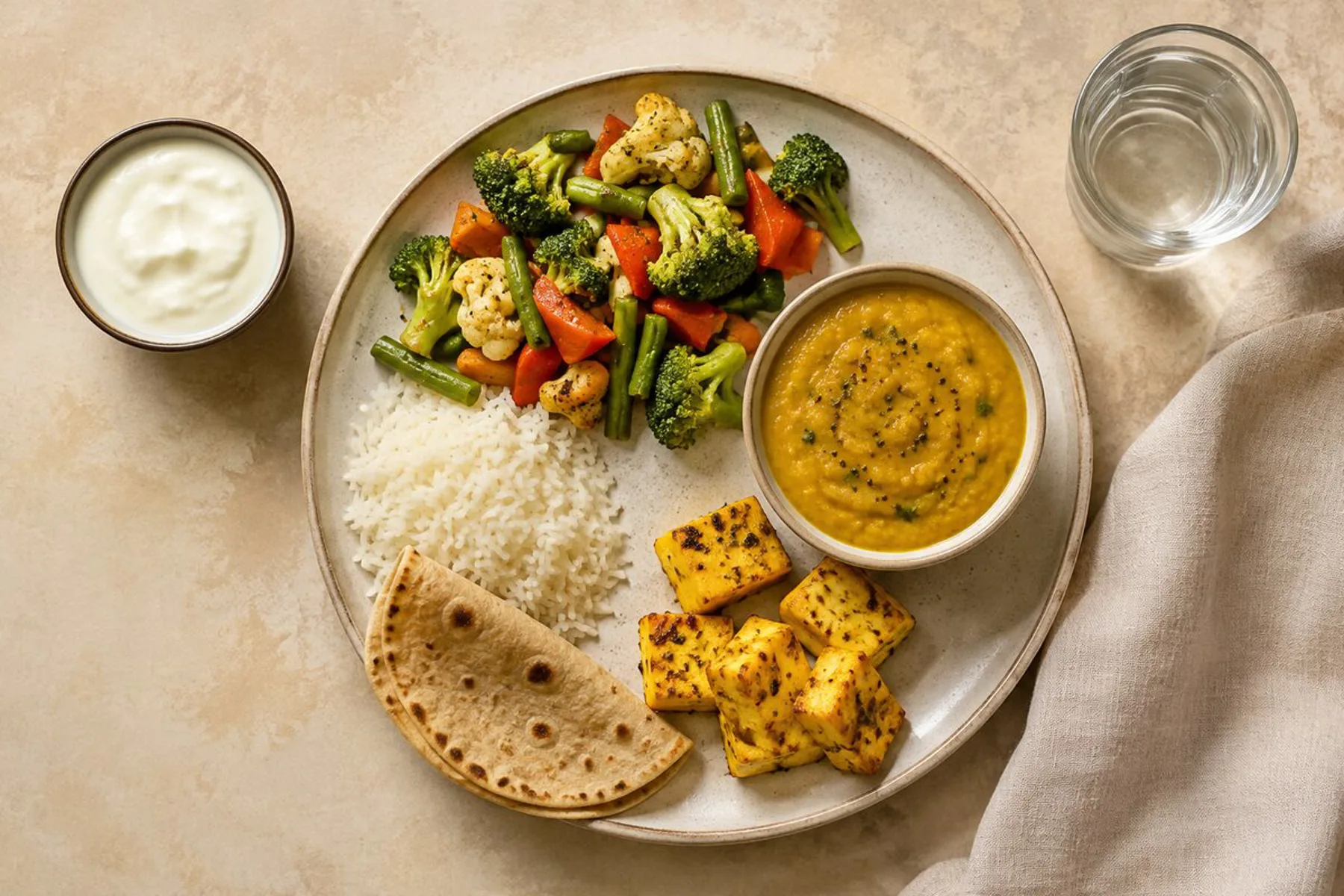
- Dal, sabzi, curd and a measured portion of rice
- Rajma or chana with salad and rice
- Grilled chicken, fish or tofu with vegetables and roti
Protein can support fullness and help preserve lean tissue during weight loss. Fibre-rich foods add volume and support digestive health. The best plan is not the one that keeps you hungry. It is the one you can repeat.
For a simple visual way to arrange your meals, explore our Balanced Indian Meal Plate Guide.
4. Liquid Calories Are Slipping Past Your Hunger Signals
Sweetened tea, coffee, juice, soft drinks, shakes and alcohol can contribute energy without satisfying you like a balanced meal. Even fresh juice removes much of the chewing and often contains several fruits in one glass.
Choose water most often. Keep tea or coffee if you enjoy it, but notice the sugar, syrups and cream. Prefer a whole fruit to juice on most days. These small changes are often easier to maintain than cutting an entire food group.
5. The Weekend Is Undoing the Weekday Pattern
Being very strict from Monday to Friday and completely unstructured on Saturday and Sunday can keep your weekly average near maintenance.
You do not need a joyless weekend. Keep two anchors:
- Eat a protein-rich first meal.
- Decide in advance which indulgence matters most.
Enjoy the restaurant meal or dessert you genuinely want, then return to your usual routine at the next meal. One meal is an event. It does not need to become a three-day restart.
6. You Exercise but Move Less During the Rest of the Day
A workout is valuable, but it does not automatically make the entire day active. After a hard session, some people unknowingly sit longer, take fewer steps or feel hungrier. Exercise machines and watches can also overestimate calories burned.
Keep your workout, but also protect everyday movement. Walk during phone calls, take brief movement breaks, use stairs when practical and add a relaxed 10-minute walk after one or two meals.
For overall health, adults should work towards regular aerobic activity and muscle-strengthening activity, adjusted to their ability and medical needs.
7. A New Workout Is Temporarily Increasing Water Weight
When you begin strength training or increase exercise intensity, muscles hold extra water while they recover. This can mask fat loss for a short time. You may also gain some lean tissue over time, especially if you are new to resistance training.
Do not punish yourself with less food because the scale paused after starting exercise. Continue for a few weeks and compare your weekly weight average, waist measurement and strength.
8. Poor Sleep and High Stress Are Making Consistency Harder
Sleep is not a magic fat burner, and stress does not break the laws of energy balance. However, both can influence appetite, food choices, recovery and the energy you have for movement.
If you sleep late, wake tired and rely on snacks to get through the day, the problem may not be a lack of willpower. Start with a realistic bedtime, reduce late-night screen stimulation, keep caffeine earlier in the day and plan an easy evening meal before you become extremely hungry.
If evening hunger is your biggest challenge, read our nine practical tips for managing hunger after dinner.
9. You Are Expecting the Scale to Move Too Quickly
Online transformations can make normal progress look slow. In real life, sustainable weight loss is usually gradual. India’s Dietary Guidelines advise against extremely low-calorie weight-reduction diets and describe about half a kilogram per week as a reasonable pace for many people.
Your rate may be faster or slower depending on your starting point, health, age and consistency. A realistic plan protects nutrition, muscle, energy and your relationship with food. Rapid loss is not automatically better loss.
10. Your Body Has Adapted to a Smaller Size
As body weight decreases, the body generally needs less energy than it did at a higher weight. Dieting can also make hunger stronger and spontaneous movement lower. The habits that created your first few kilograms of progress may eventually maintain your new weight rather than continue reducing it.
This does not mean your metabolism is broken. It means the plan may need a small, measured adjustment. Review portions, daily movement and consistency before making aggressive cuts. A qualified professional can help you adjust without making meals nutritionally inadequate.
11. A Health Condition or Medicine May Be Contributing
Conditions such as hypothyroidism, polycystic ovary syndrome, sleep apnoea and depression can affect weight directly or make weight-management behaviours harder. Some medicines can also influence appetite, fluid retention or body weight.
Do not stop prescribed medicine or diagnose yourself from a social-media checklist.
Speak with your doctor if:
- Your weight changes unexpectedly
- Your menstrual cycle becomes irregular
- You have persistent fatigue or constipation
- You feel unusually cold
- You experience excessive thirst
- You have loud snoring with daytime sleepiness
- You notice swelling or other new symptoms
Medical support and sustainable lifestyle changes can work together.
The 7-Day Weight-Loss Reality Check
Complete this reality check for one week before starting another restrictive diet.
1. Weigh Consistently
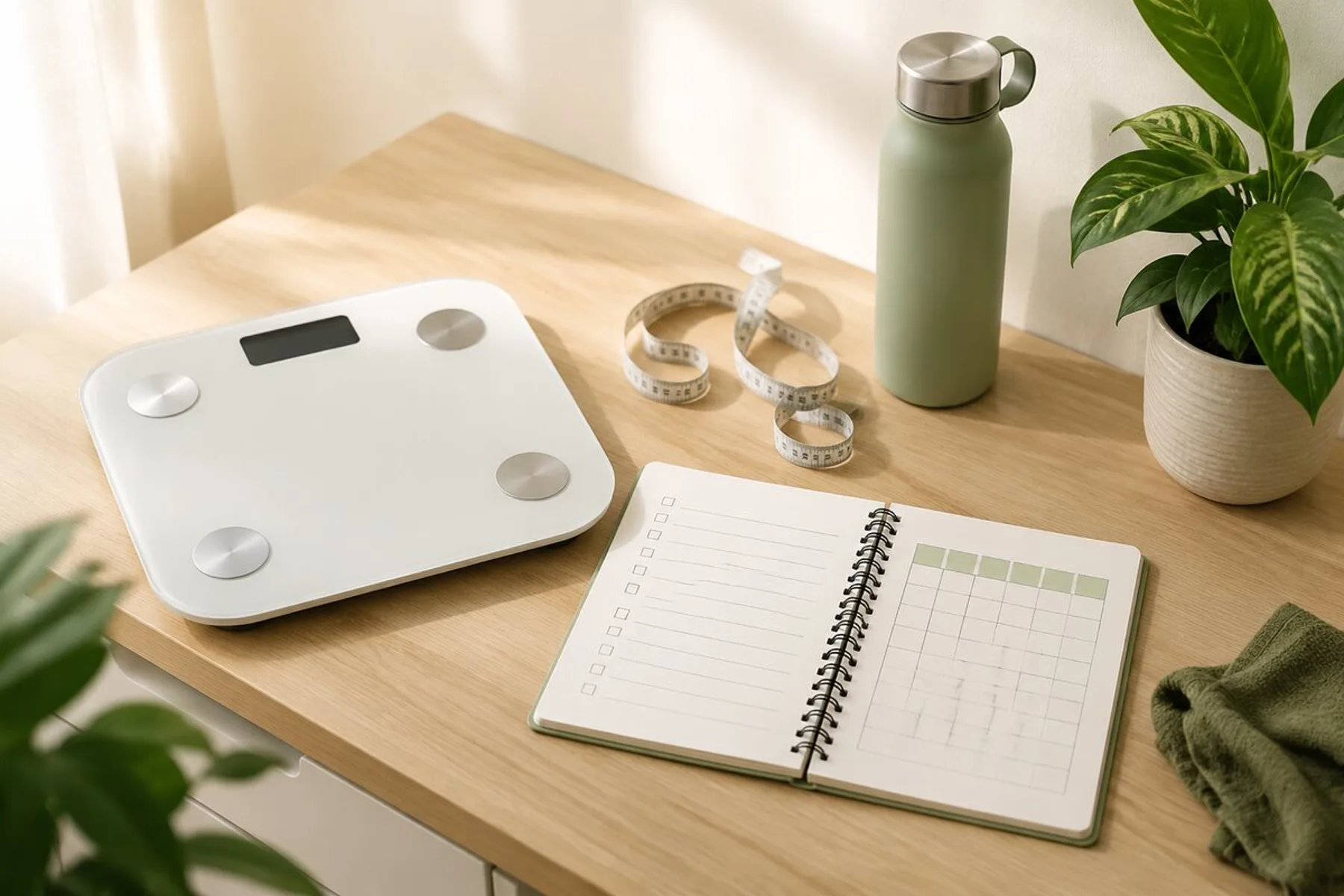
Use the same scale at roughly the same time, preferably after using the washroom and before breakfast. Compare the weekly average, not isolated numbers.
2. Record Honestly
Note every meal, drink, oil, sauce, taste and snack. Photographs are enough if detailed calorie tracking feels stressful.
3. Use a Balanced Plate
Fill roughly half your plate with non-starchy vegetables, one quarter with a protein-rich food and one quarter with roti, rice or another grain. Adjust the proportions for your individual needs and culture.
4. Add a Protein Anchor
Include dal, beans, curd, paneer, tofu, eggs, fish, chicken or another suitable protein source at each main meal.
5. Measure the Easy-to-Miss Items
Pay attention to cooking oil, sugar, nuts, spreads, packaged snacks and calorie-containing drinks.
6. Move Beyond the Workout
Keep your planned exercise and add short walks or movement breaks throughout the day. Include strength exercises if they are safe and suitable for you.
7. Protect Your Sleep
Set a repeatable sleep window and create a simple plan for the evening, when tiredness and cravings often meet.
At the end of seven days, ask yourself:
- Where was I most consistent?
- When did hunger become difficult?
- Which two changes would make the next week easier?
What Not to Do When the Scale Is Stuck
- Do not skip meals all day to save calories for the night.
- Do not cut rice, roti, fruit and every favourite food at once.
- Do not copy a very low-calorie plan from the internet.
- Do not use detox teas, laxatives or unverified fat burners.
- Do not turn one unplanned meal into a reason to give up.
- Do not compare your weekly progress with someone else’s edited highlight reel.
A Simple Example Day Using Indian Foods
Breakfast: Two besan chillas with vegetables and curd, or eggs with vegetable poha in a suitable portion.
Lunch: Dal or chicken, one bowl of sabzi, salad, curd and a measured serving of rice or roti.
Snack: A whole fruit with roasted chana, curd or another protein-containing option.
Dinner: Paneer, tofu, fish or chicken with cooked vegetables and roti or rice according to your appetite and needs.
This is an example, not a prescription. Portions and food choices should reflect your health, preferences, budget, culture and activity.
The Bottom Line
If you are eating less but not losing weight, your effort is not wasted and your body is not your enemy. First confirm that there is a real plateau. Then look for the quiet factors: uncounted extras, liquid calories, low-satiety meals, weekend drift, reduced daily movement, poor recovery or an unrealistic timeline.
Choose one or two corrections and repeat them long enough to learn from the result. Sustainable weight loss is rarely produced by the harshest plan. It usually comes from the clearest plan you can follow on ordinary days.
Need help finding what is keeping your progress stuck? Uzmi Wellness can help you build a practical, personalised routine around your food preferences, schedule and health needs. Book a consultation or send your question on WhatsApp.
Sources and Further Reading
- ICMR–National Institute of Nutrition, Dietary Guidelines for Indians, 2024
- Centers for Disease Control and Prevention, Steps for Losing Weight
- National Institute of Diabetes and Digestive and Kidney Diseases, Treatment for Overweight and Obesity
- World Health Organization, Physical Activity

Frequently Asked Questions
Why am I not losing weight even though I am eating less?
You may be eating less than before without consistently eating less energy than your body uses. Cooking oil, drinks, snacks, weekend meals and changing portions can narrow the gap. Water retention, constipation, menstrual-cycle changes and new exercise can also hide short-term fat loss. Review your weekly pattern and weight average before cutting food further.
How long can a weight-loss plateau last?
A few unchanged days are not a true plateau because body water naturally fluctuates. If your weekly average and waist measurement have not changed for several weeks despite consistent habits, review portions, activity, sleep and medicines with a qualified professional. The right response is a careful adjustment, not starvation.
Do I need to stop eating rice or roti to lose weight?
No. Weight loss does not require removing rice or roti. Portion size, your total eating pattern and what you eat with them matter. Combine a suitable portion with vegetables and a protein source such as dal, curd, paneer, tofu, eggs, fish or chicken.
Can PCOS or thyroid problems make weight loss difficult?
PCOS and hypothyroidism can influence body weight or make weight management more difficult, but they do not make progress impossible. Seek medical assessment if you have irregular periods, persistent fatigue, constipation, feeling unusually cold or unexplained weight changes. Do not self-diagnose or stop prescribed medicine.
What is a healthy rate of weight loss?
Gradual progress is generally safer and easier to maintain than rapid loss. India’s Dietary Guidelines describe about half a kilogram per week as a reasonable rate for many people, although individual progress varies. Avoid extremely low-calorie diets unless they are medically supervised.
Your answers show this as your strongest pattern. Use it as a helpful starting point, not a medical diagnosis.
Need more support? Ask Uzmi AI, explore Health Tools, or book a free consultation.
Comments
Reader discussions will be available in a future platform update.